We started teaching watercolor because nobody else explained it the way we needed
Back in 2016, three frustrated art students sat in a coffee shop complaining about the same thing. Every watercolor course they found either assumed you already knew the basics or taught techniques that looked great on video but fell apart when you tried them yourself. So we decided to build something different.
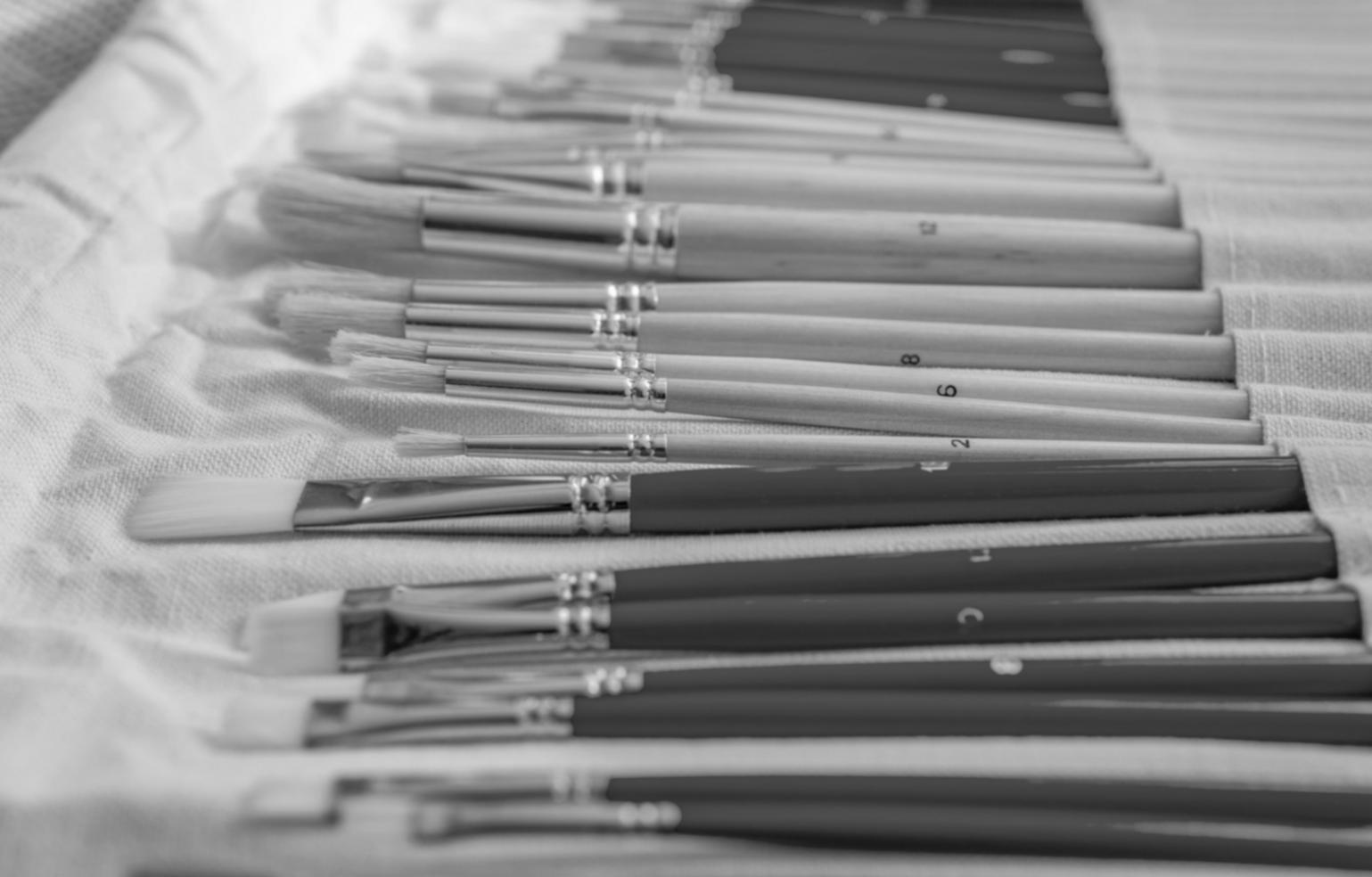
Our Beginning
From kitchen table experiments to international platform
The first courses were recorded on a borrowed camera in Mira's apartment. We'd test every technique ourselves first, often staying up until 2am trying to figure out why certain washes wouldn't blend properly or how to prevent paper from buckling. Those late nights taught us something valuable: if we struggled with it, our students would too.
By 2018, students from seventeen countries had enrolled. They weren't just watching videos—they were sharing their attempts in our forums, pointing out steps that confused them, asking questions we hadn't thought of. Each piece of feedback made the courses better. The woman in Brisbane who couldn't get her skies right helped us redesign an entire module. The teacher in Vancouver suggested breaking down color mixing into smaller segments.
Now we work with instructors across four continents. They're practicing artists who've spent years figuring out what actually works, not just what looks impressive. And they remember what it felt like to be confused by vague instructions or overwhelmed by too many techniques at once.
What we actually care about
Honest teaching
We show you what went wrong in our own work. You'll see failed attempts, hear about common mistakes, and learn why some popular techniques don't actually help beginners. No perfect demonstrations that hide the messy reality of learning.
Real community
The forums aren't just for questions—they're where students share half-finished pieces and get specific feedback. Last month, someone posted a blotchy landscape and got twelve detailed responses about water control. That's the kind of exchange we built this for.
Accessible everywhere
Whether you're in Sydney or Stockholm, you shouldn't need expensive supplies or perfect internet to learn. Our materials list starts with basics you can find anywhere. Videos work on slow connections. Subtitles in six languages because not everyone learns best in English.
How we build each course
Test everything ourselves
Before recording anything, our instructors spend weeks working through the material. If a technique trips them up, we redesign it. If supplies are hard to source, we find alternatives.
Record with context
You'll see exactly how much water is on the brush, how the paper responds, what happens when timing isn't perfect. We don't cut out the parts where something doesn't work—those moments often teach the most.
Revise based on feedback
Every six months, we review student questions and update modules that caused confusion. Sometimes that means adding five minutes to explain paper texture. Sometimes we re-record an entire section because the original missed something crucial.
Support ongoing practice
Learning doesn't end when the video stops. Each course includes practice exercises, reference photos, and access to instructors who review your work. We're not just selling content—we're helping you develop actual skill.
The work our students create
These aren't carefully selected showcase pieces. This is what happens when people follow the courses, practice the exercises, and gradually build their skills. Some took months. Others are still works in progress.